The Vegetable Garden
The past few summers, the one thing that truly saved me the most time in my vegetable garden was using landscape fabric (also called weed barrier or garden ground cover) across my raised beds. Over the years I’ve learned that a productive garden doesn’t have to mean spending every spare minute weeding, and this was one of those simple changes that made everything run smoother from planting season all the way through harvest.
Weeds were always the biggest time-stealer. They weren’t just annoying — they competed with my vegetables for water, nutrients, and space. Once the summer heat kicked in, it felt like weeds could show up overnight. The landscape fabric helped prevent that cycle because it blocked sunlight from reaching weed seeds, so they couldn’t sprout and take over the beds in the first place.
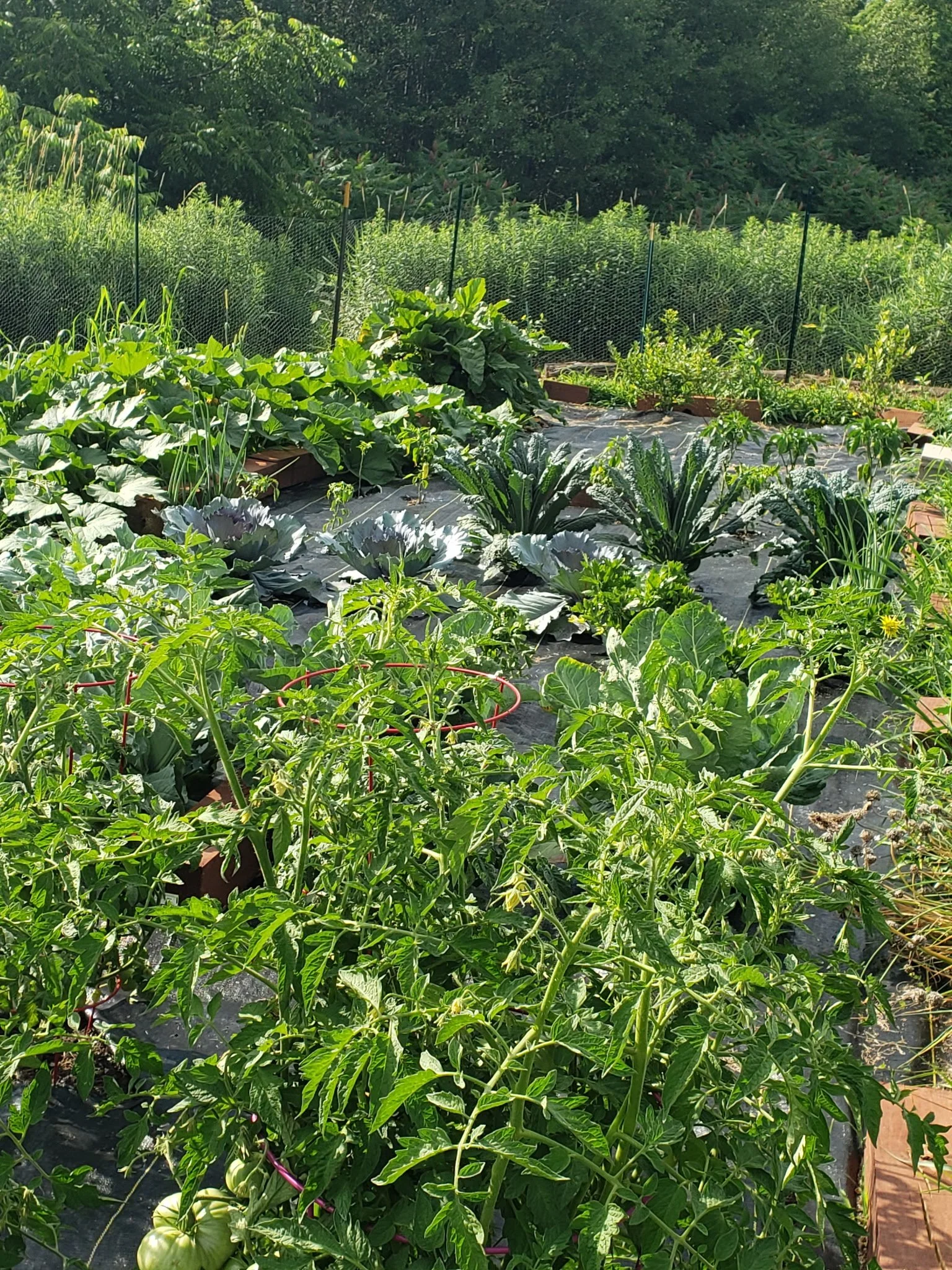
Landscape Fabric (My Home Garden)
One of the things I appreciated most was how much more organized the garden stayed. The beds looked tidy, my rows stayed clear, and I could easily see what was planted where. Even when everything was growing quickly, the garden still looked cared for — not like I was constantly playing catch-up.
It also kept things cleaner after heavy rains. Bare soil used to splash up onto leaves and produce, and that always meant extra cleanup and sometimes more plant trouble than I wanted to deal with. With the fabric covering the soil, there was less splashing, less mud, and the vegetables came out of the garden looking much cleaner at harvest time.
The fabric helped with watering too. During hot stretches, it reduced evaporation and helped the soil hold moisture longer. I didn’t feel like I was constantly out there watering just to keep things from drying out. The moisture stayed more consistent, which made a difference in how steady and healthy the plants looked.
In Central Wisconsin, I also noticed the soil warmed up faster in the earlier part of the season. That dark surface absorbed heat, and it helped warm-weather crops settle in once they were planted. It wasn’t a dramatic change, but it was enough that everything seemed to get established a little more easily — especially when spring nights still had a chill.
I kept the process simple. I laid the landscape fabric down tight, anchored it well so the wind couldn’t lift it, and cut openings only where I planted. That meant less exposed soil and fewer opportunities for weeds to creep in. It also made my quick garden checks much quicker — I could tie up tomatoes, check growth, pick what was ready, and move on without a long list of cleanup tasks staring at me.
I also kept in mind that weed barrier fabric was a tool, not a replacement for good soil. I still added compost and paid attention to keeping the beds healthy and productive. The fabric made weed control in the vegetable garden easier, but the vegetables still needed nutrients to grow and produce well.
Looking back, this was one of the best methods I used last summer to reduce weeding and save time in my garden. If someone asked me for a practical tip for how to prevent weeds in a vegetable garden, I’d tell them to try landscape fabric in one bed first and see how much time it saves. For me, it made the garden easier to manage, cleaner to harvest from, and a lot more enjoyable from start to finish.
-Kim in the Garden
